
Golden Circle history begins with the places
Golden Circle history is best understood through the individual places on the route. At Þingvellir, the landscape holds the history of the Alþing, the open-air assembly founded around 930. At Geysir and Gullfoss, protected natural areas provide another part of the story. These are different histories encountered on the same present-day sightseeing circuit, rather than chapters of a single attraction founded at one moment.
Keep that distinction in mind when visiting. The historic assembly, the geological landscape, later protection and current visitor arrangements each explain something different. A car park or tour departure helps organise a modern day out; it does not explain why the place matters. Our route overview deals with that practical journey, while this page introduces the historical connections between the stops.
The Alþing and the annual gathering
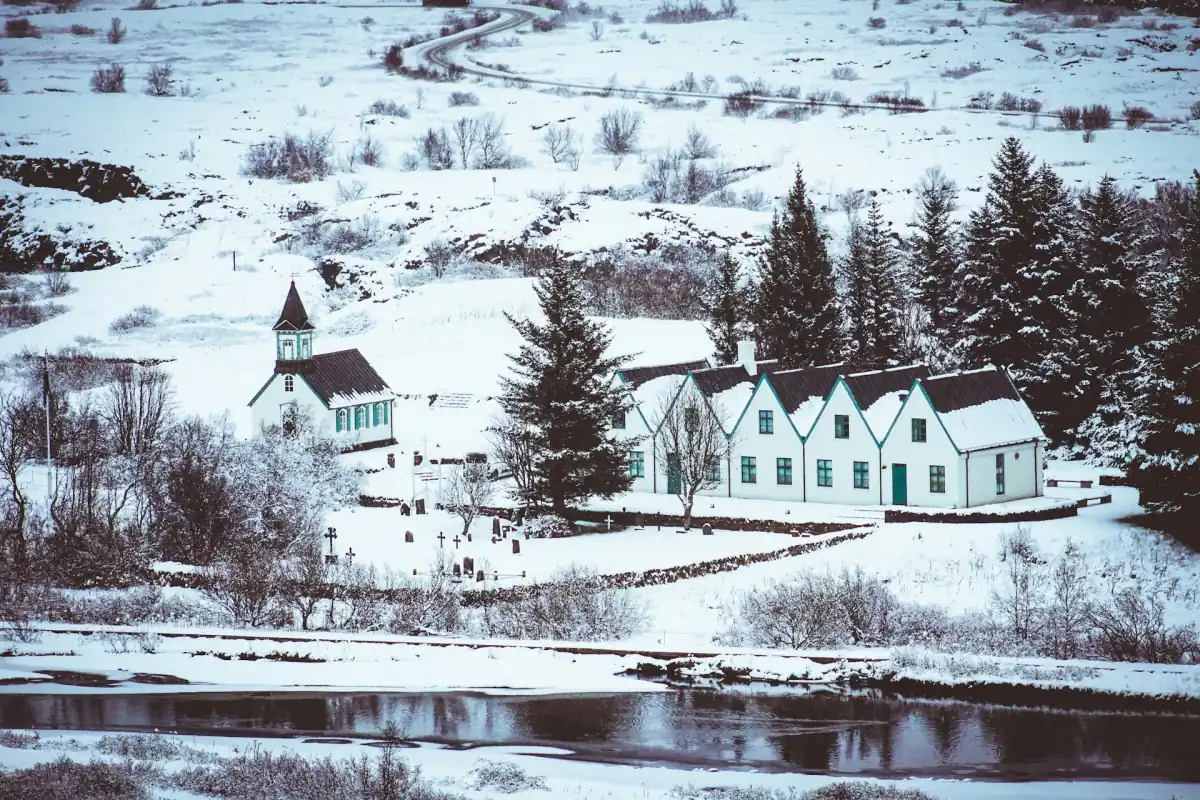
The Alþing was established as an assembly under the open sky around 930. Gatherings continued at Þingvellir until 1798. The annual assembly lasted approximately two weeks, bringing a different rhythm to the landscape from the short sightseeing visits familiar today. Understanding the site as a place of gathering helps explain why its open spaces belong to the historical story as much as the visible rock walls.
Remains of about 50 shelters made from turf and stone survive in the assembly landscape. These are traces of accommodation associated with the gatherings, giving the place a human scale alongside its broad views. Read them as part of the cultural site rather than expecting the setting to be understood only through a single building or an indoor display.
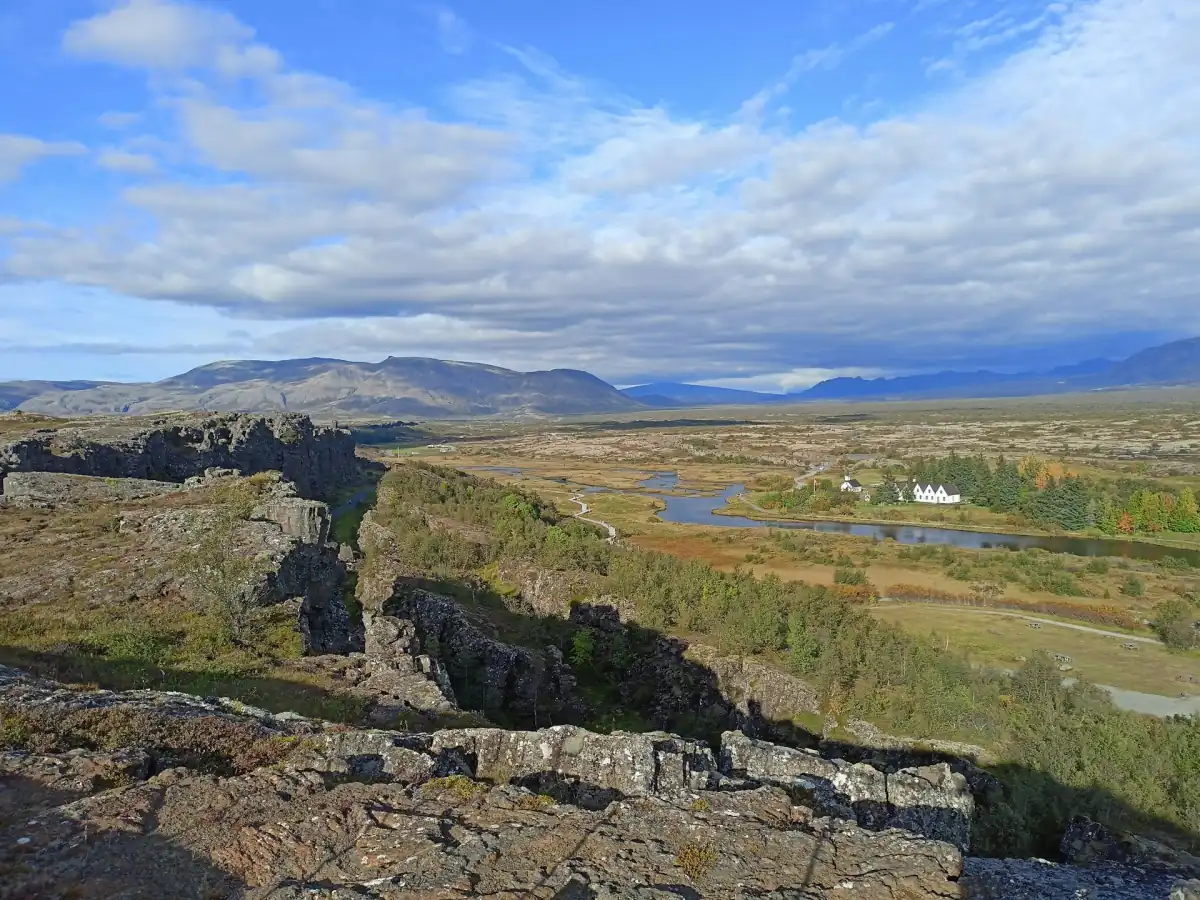
When exploring Þingvellir National Park, it is worth holding both perspectives together: the visible terrain and the historical use of that terrain. Allow time to consider how a recurring assembly occupied the landscape. The significance is not limited to an impressive view from a platform, even though the surrounding scenery is an immediate part of the visit.
A guided Golden Circle visit
A guided circuit offers a way to visit the Golden Circle sites discussed here.
Hand-picked tours, booked through Viator. Prices are indicative starting prices in euros (as of October 2026). Tap a tour for live availability and the current price in your currency.
Visit the places on a guided round trip
A general Golden Circle outing with a professional guide provides a way to see the route. It is a sightseeing option rather than a dedicated history lecture or specialist historical walk.
Why Þingvellir is a cultural World Heritage site
Þingvellir is a UNESCO cultural site. The historic assembly landscape is central to that recognition. The rift, fissures and rock walls are striking, but describing the designation only as a celebration of geological scenery would miss the cultural reason for it. What matters is the relationship between a place and the historical gatherings that took place there.
The park lies in an active volcanic region, and its rift makes continental movement visible in the landscape. Geology and human history therefore meet in the same setting. You can appreciate the rock walls while also considering the assembly site; these ways of looking at Þingvellir complement one another without making its World Heritage status a purely natural designation.
Today, Hakið visitor centre stands immediately beside the viewing platform, with access from there into Almannagjá. The exhibition and an outdoor visit are distinct experiences. Choose the historical context you want from the visit, then use the dedicated park guide for parking and access details rather than confusing present-day facilities with the surviving assembly remains.
Geysir and the protection of a geothermal landscape
The Geysir geothermal area in Haukadalur was protected as a natural monument on 17 June 2020. This date belongs to the protection of the area. It should be read separately from the much longer natural story visible in the hot springs and from the history of the assembly at Þingvellir. The modern route brings these places together for visitors.
Geysir and Strokkur are different springs. Strokkur provides the variable eruptions associated with many present-day visits; the Great Geysir should not be treated as the same source. Protection also shapes how you encounter the place: use marked paths, do not bathe in springs or their outflows, and leave stones, ground and deposits undisturbed.
Gullfoss and landscape protection
Gullfoss, on the Hvítá, has been protected since 1979. The protected area includes the waterfall, canyon, vegetation and ecosystems. That scope is useful to remember: the falling water is the immediate focus, but the surrounding landscape belongs to the protection too. A visit should respect that wider setting rather than treating everything beyond the viewpoint as incidental.
Present-day rules prohibit damage to geological formations and vegetation, disturbance of wildlife and driving outside permitted routes. Drone use requires the appropriate permission. Protection therefore has a practical expression during a visit. Following paths and local instructions connects the historical idea of preserving a landscape with the choices visitors make while walking through it.
Visiting the historical landscape today
A guided Golden Circle round trip is one way to visit these places together. The option here includes a professional guide, Wi-Fi, an air-conditioned vehicle and an app-based audio guide in multiple languages. Pickup and drop-off from selected locations are available if requested. It is a general sightseeing visit rather than a specialised history tour.
Use the tour comparison to choose a format and the park and destination guides for practical details. The historical dates explain the assembly and the later protected areas; the modern itinerary is your way of travelling between them. Keeping those roles separate makes room for both the cultural significance of Þingvellir and the natural character of Geysir and Gullfoss.
Frequently asked questions
When was the Alþing founded at Þingvellir?
The open-air assembly was founded around 930, and gatherings continued at Þingvellir until 1798. The annual gathering lasted approximately two weeks.
Is Þingvellir listed only for its geology?
It is a UNESCO cultural site. The historic assembly landscape is central to the World Heritage recognition, alongside the geological scenery visitors see.
When were Geysir and Gullfoss protected?
The Geysir area became a natural monument on 17 June 2020. Gullfoss has been protected since 1979, including its canyon, vegetation and ecosystems.